



When most people think about healthcare, they think about insurance cards, copays, deductibles, referrals, and waiting weeks for an appointment.
For many families, that’s simply become the normal healthcare experience.
But over the last several years, another model has been quietly growing across the country: Direct Primary Care (DPC).
As a family nurse practitioner and owner of NOLA Care, I spend a lot of time talking with patients about what Direct Primary Care is, how it works, and whether it’s the right fit for their healthcare needs. One of the most common questions I hear is, “How is this different from traditional primary care?”
The answer is surprisingly simple.
What Is Direct Primary Care?
Direct Primary Care is a healthcare model that focuses on the relationship between the patient and their primary care provider.
Instead of billing insurance for every office visit, patients pay a predictable monthly membership fee that covers many of the primary care services they need throughout the year.
The goal isn’t to replace health insurance. Instead, it’s to make primary care more accessible, more personal, and easier to navigate.
Because providers aren’t spending the majority of each visit documenting for insurance reimbursement, they often have more time to focus on what matters most—listening to patients, answering questions, and creating individualized care plans.
Why Are More Patients Looking for Alternatives?
Healthcare costs continue to rise, and many people are finding themselves paying substantial monthly insurance premiums while also facing high deductibles and increasing out-of-pocket expenses.
At the same time, access to primary care has become more challenging in many communities. Long wait times for appointments and shorter office visits can leave patients feeling like their concerns aren’t fully addressed.
These challenges have led many individuals and families to explore healthcare models that prioritize continuity, accessibility, and preventive care.
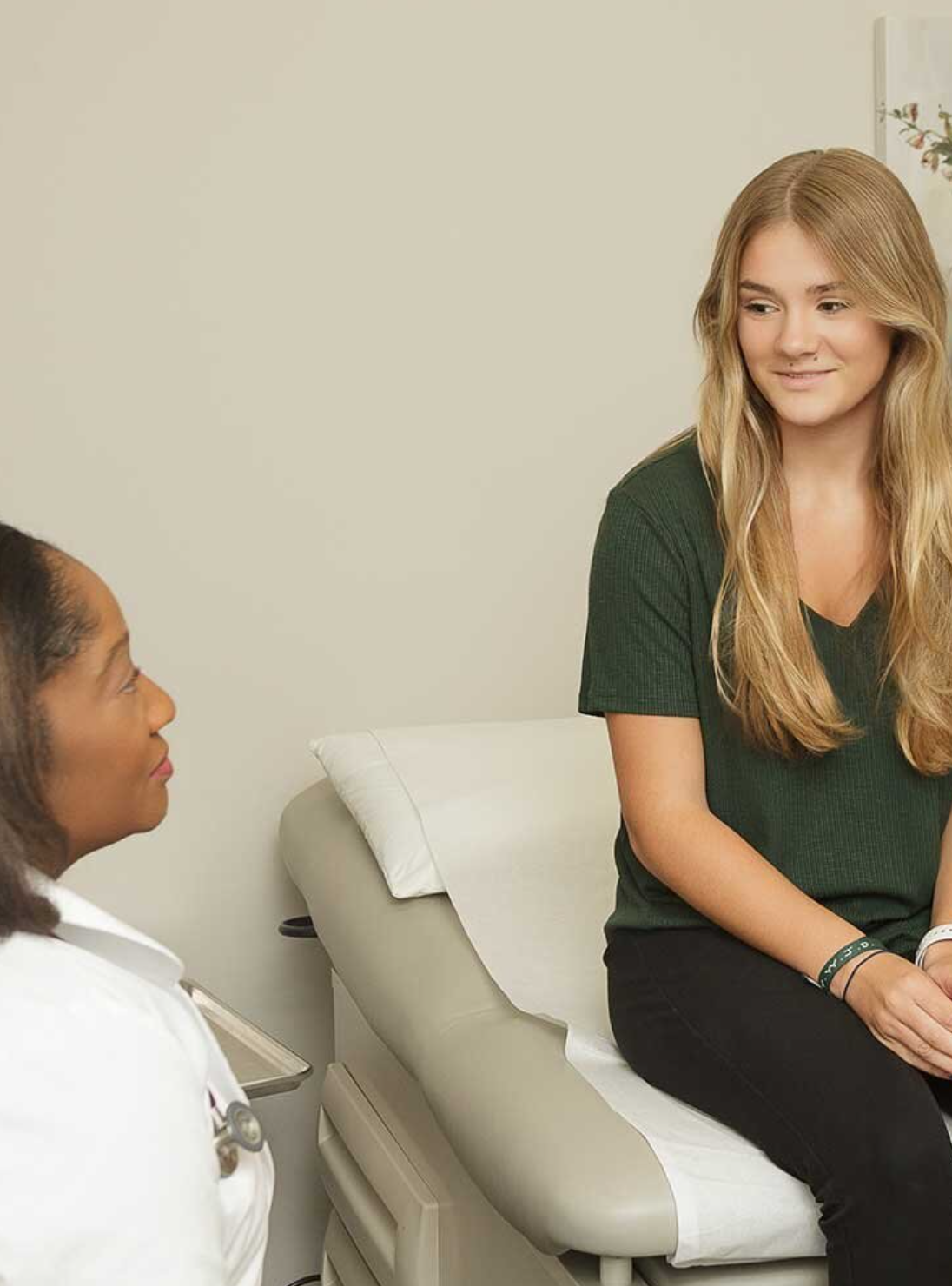
The Importance of Having a Provider Who Knows You

One of the greatest benefits of primary care isn’t found in a lab result or a prescription.
It’s the relationship.
When your healthcare provider knows your medical history, understands your lifestyle, remembers previous conversations, and follows your health over time, it becomes easier to recognize changes early, manage chronic conditions effectively, and develop realistic health goals together.
Good primary care is built on trust, communication, and consistency.
Looking at the Whole Person.
Health is about much more than treating illness.
It includes preventive care, managing chronic medical conditions, supporting mental well-being, maintaining a healthy weight, and helping people feel confident in their own skin.
For some individuals, improving their health means lowering their blood pressure or improving blood sugar control. For others, it may mean finally addressing concerns about hair loss, unwanted facial lines, or skin health that have affected their confidence for years.
These goals aren’t mutually exclusive.
In fact, many people discover that taking care of one aspect of their health often motivates them to take better care of the rest.
Can Primary Care and Medical Aesthetics Work Together?
This is another question I hear frequently.
The answer is yes.
Medical aesthetics and primary care serve different purposes, but they can complement one another when provided responsibly by qualified healthcare professionals.
Primary care focuses on prevention, diagnosis, chronic disease management, and overall wellness.
Medical aesthetics focuses on treatments that help patients address concerns related to aging, skin quality, and appearance.
For many people, both contribute to overall well-being. Feeling healthy and feeling confident often go hand in hand.
A More Convenient Healthcare Experience
One of the advantages of integrated healthcare is convenience.
Rather than coordinating appointments across multiple offices, many patients appreciate having access to several healthcare services in one location.
Depending on individual needs, this may include:
Annual wellness visits
Preventive care
Chronic disease management
Medical weight management
Skin health treatments
Medical aesthetics
Mental health services
Laboratory testing
Having these services available together can reduce barriers to care and make it easier for patients to prioritize their health.
Choosing the Right Healthcare Model
There is no single healthcare model that works for everyone.
Traditional insurance-based practices, concierge medicine, community health centers, and Direct Primary Care each have important roles in today’s healthcare system.
The most important question isn’t which model is “best.” It’s which model best supports your healthcare needs, your budget, and the type of relationship you want with your provider.
Understanding your options allows you to make informed decisions about your care.
I am ready for a change in healthcare!
Final Thoughts
One thing I’ve learned throughout my career is that people want more than prescriptions and lab results.
They want someone who listens.
Someone who remembers.
Someone who takes the time to answer questions and explain the “why” behind a treatment plan.
Healthcare has always been about people, and I hope that remains true no matter how medicine continues to evolve.
Whether you choose Direct Primary Care or another model, my hope is that every patient finds a provider who makes them feel heard, respected, and cared for.
Because everyone deserves healthcare that feels personal.
Ashley
