


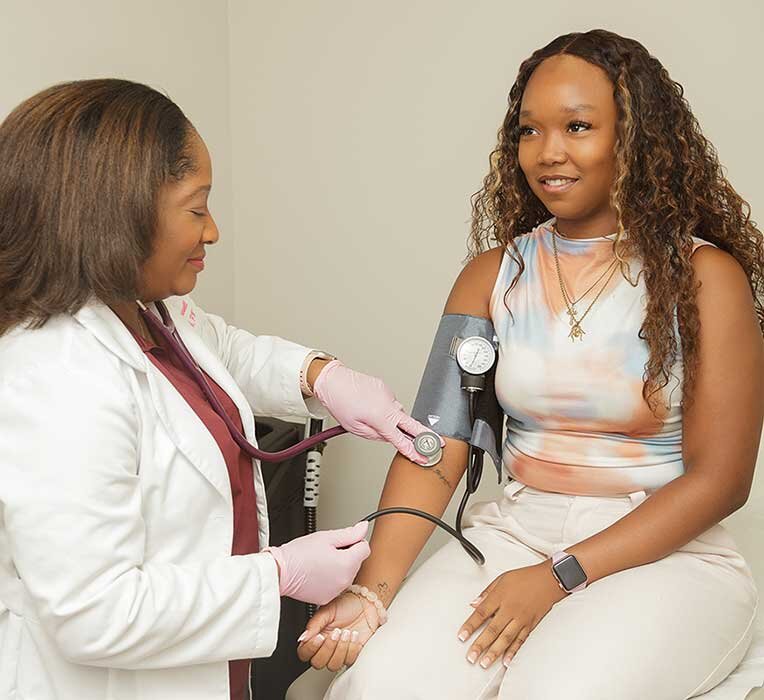
High blood pressure can be easy to miss, especially when you’re young and feel pretty healthy.
I see that a lot with adults 25-40 who come into my Jacksonville primary care office. They’re not walking in saying, “I think I have high blood pressure.”
They’re telling me they’ve had a faint, nagging headache almost every day, that their vision has been getting blurry on and off, or they just feel “off” and don’t know why. Then we find high blood pressure.
But those are the lucky ones.
So let’s go over some high blood pressure signs to look out for, and when it’s time to come in for a checkup.
Why High Blood Pressure Gets Missed
There are two major reasons why high blood pressure goes undiagnosed so often in our community.
The first is why we in the medical community call it “the silent killer.”
44% of people with high blood pressure don’t have obvious symptoms. This means it goes unnoticed and untreated, leading to more serious health concerns. Which is heartbreaking, because high blood pressure is something we can catch and treat.
The second reason it goes missed so often: people in their 20s, 30s, and early 40s simply aren’t seeing a doctor regularly anymore.
This is actually the reason I see so many cases missed.
And this is no judgment from me. I get it. Once you outgrow the pediatrician, regular checkups fall off your radar unless something feels urgent.
Stack that on top of insurance being too high to afford, and of course people aren’t going in for minor, nagging headaches or phantom discomfort.
But skipping routine annual checkups, or only going to the doctor when there’s a problem bad enough to warrant it, is exactly how easily caught and treated issues, like high blood pressure, turn into major health concerns.
That’s why I started NOLA Care. Because preventive care matters, and everyone should be able to afford it. Preventive care helps you catch the quiet problems before they turn into bigger, more expensive, more stressful ones.
Can I Use The Free Blood Pressure Machine And Call It A Day?
No, but it’s a great start. If that’s all you can do today, do it. I’d rather you check it than not check it at all.
But the Mayo Clinic warns against going solely by those free blood pressure machines you find in pharmacies or grocery stores. They’re unreliable, rarely serviced, and use a one-size-fits-all cuff that leads to false readings.
You don’t want to leave your health to chance or an iffy grocery store monitor. Especially now that they try to fit scales, pulse readers, and all sorts of flashy medical tests into one small machine.
The other day one told me my weight, and let’s just say that was way off too (but flattering).
The only way to know if you have high blood pressure is to have it checked by a health care professional.
High Blood Pressure Signs To Look Out For
So if some people have no signs and others have hit-or-miss signs…what can you look out for?
The tricky thing is there isn’t one textbook symptom list. Some people come into my office with headaches or vision changes. Other people have high blood pressure and feel completely fine.
High Blood Pressure Signs Can Be:
- Faint, nagging headaches that don’t go away with Tylenol or Aleve
- Blurred vision (intermittent or ongoing)
- Sudden onset dizziness
- Nagging discomfort behind the eyes
- Heart palpitations or a racing heartbeat they can’t explain
The vision changes can be especially important when they feel sudden or intermittent. If your vision was not blurry a week ago and now it is, or if the blurriness comes and goes – that is different from gradual vision changes over time.
These symptoms don’t automatically mean you have high blood pressure. Family history, lifestyle, diet, stress, and other health factors can play a role too.
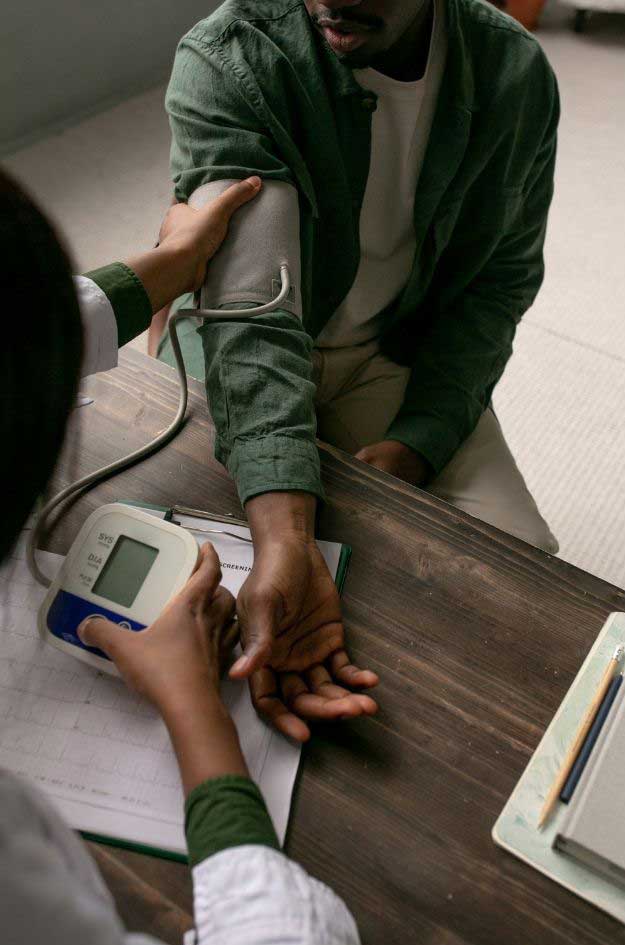
But they are reason enough to have a schedule an appointment, have a conversation with a medical professional, and get your numbers checked.
What Happens When You Come In
At NOLA Care, we don’t rush straight into a blood pressure reading the second you walk through the door.
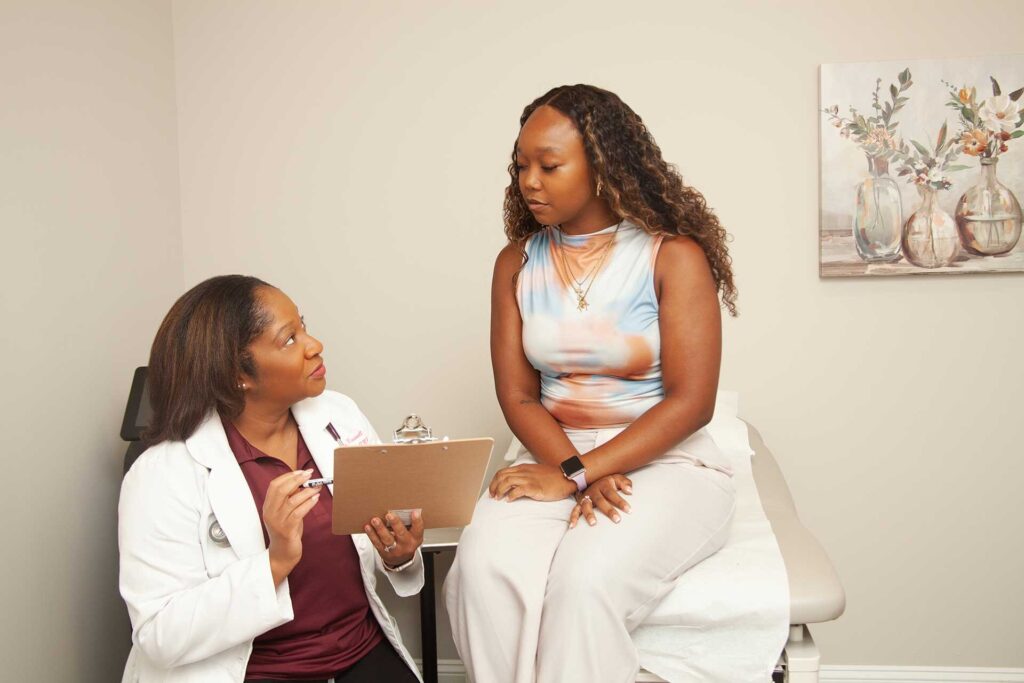
You may have driven through traffic, dealt with stress, or walked in feeling anxious. So we sit down, talk through what’s been going on, and give your body a chance to settle. While you’re talking, we’re secretly listening for what could be contributing to your symptoms.
Then we check your blood pressure in the office.
If your blood pressure is high, we don’t jump to panic mode right away. We’ll take some blood samples right there in the office and bring you back in about a week, when we get the final test results.
Those labs help us look at things like kidney function, liver function, and cholesterol so we can understand what is going on and choose the safest next step.
What Does A Treatment Plan Look Like
I don’t want to say the words ‘high blood pressure is easy to treat,’ but for some people, it can be.
If your blood pressure seems to be driven more by lifestyle factors, like inactivity, diet, or extra weight, your treatment plan may include lifestyle changes, medication, or both. Then, as your blood pressure improves, we may be able to reduce blood pressure medication over time.
If your blood pressure is hereditary or combined with other serious medical concerns, our treatment plan may include more long-term medication and care.
Regardless, our priority isn’t to keep adding medication forever. The goal is to get your blood pressure controlled in the safest, most realistic way for you.
Visit Our Jacksonville Primary Care For High Blood Pressure Concerns
My team and I treat a lot of people in Jacksonville for high blood pressure under 40.
Sometimes there’s a strong family history. Sometimes lifestyle plays a bigger role. And sometimes people simply haven’t had their blood pressure checked in a long time because they felt healthy and had no reason to think anything was wrong.
For many people, lifestyle changes and medication can make a big difference in their blood pressure.
Concerned? If something feels off, come into the office and let’s get it checked. We’ll take your blood pressure, talk through your symptoms, review what may be contributing to it, and help you understand what your next step should be.
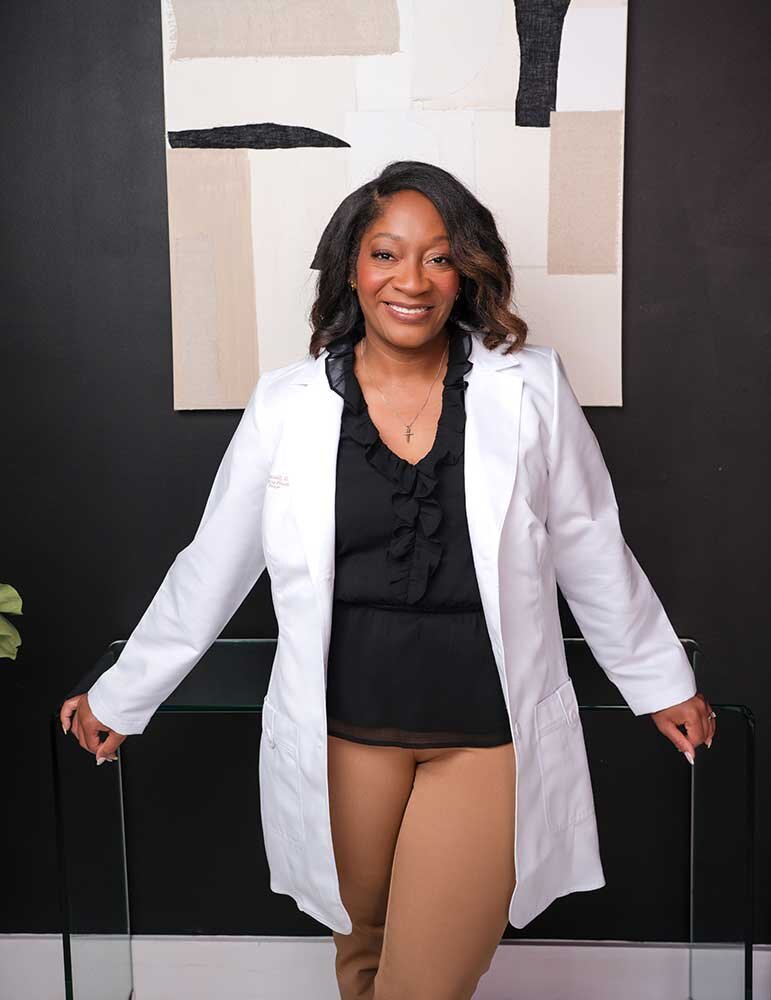
Hey there, I’m Ashley Roussell, DNP, FNP-C
I started NOLA Care to make sure quality healthcare was available for everyone in Jacksonville. That’s why we offer direct primary care (DPC) and affordable healthcare memberships for the whole family.
High blood pressure is treatable, but only with the proper diagnosis. It’s time to take this offline and into an appointment. You deserve to have answers and a primary care provider who treats you like a person, not another slot on their calendar. If you’re ready, my team and I are here for you.
